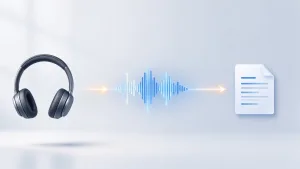
Otter.ai is one of the most recognized AI transcription platforms, helping users convert meetings, conversations, and recordings into searchable text.
However, as AI transcription technology develops, users now have more choices. Different transcription tools focus on different priorities, including:
- Real-time meeting transcription
- Offline processing
- Privacy-focused workflows
- Speaker separation
- AI summaries
- Long-form audio transcription
The best Otter.ai alternative depends on what you need from a transcription tool.
Some users prioritize collaboration features, while others prefer more control over their recordings or a workflow that does not depend entirely on cloud processing.
This guide explores different approaches to AI transcription and how alternatives to Otter.ai compare.
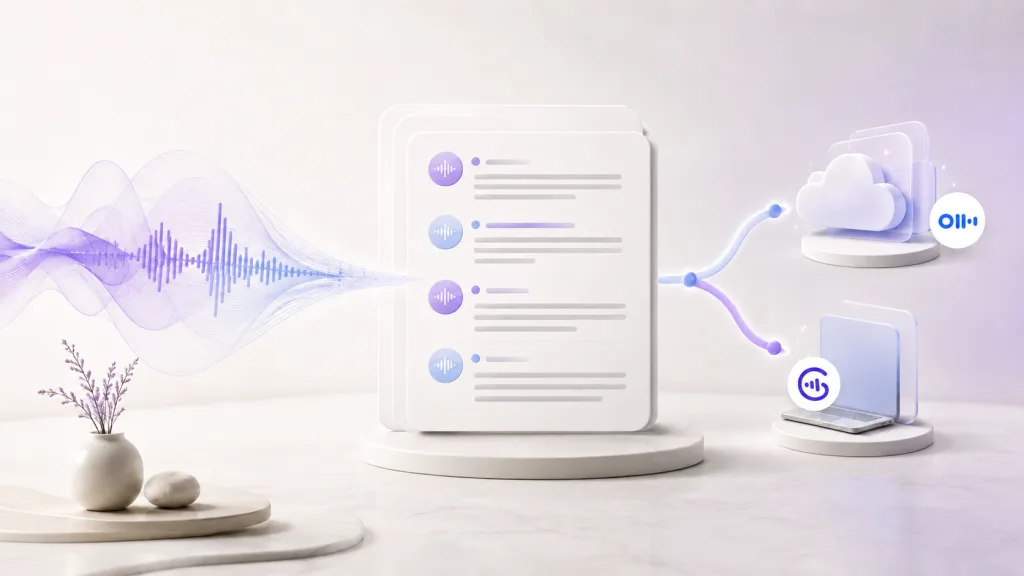
Why Do Users Look for Otter.ai Alternatives?
Otter.ai works well for many meeting and collaboration scenarios, but users may look for alternatives for different reasons.
Common reasons include:
1. Privacy and Data Control
Some users handle conversations they prefer to keep private, including:
- Research interviews
- Internal discussions
- Personal recordings
- Client conversations
These users may prefer transcription solutions that provide more control over where audio processing happens.
2. Offline Transcription Requirements
Many cloud-based transcription tools require an internet connection because recordings are processed remotely.
Users who work in areas with limited connectivity or who prefer local processing may look for offline transcription alternatives.
3. Different Workflows
Not everyone uses transcription tools the same way.
For example:
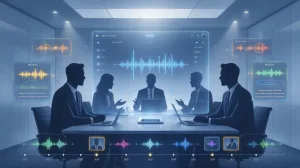
- Teams may need meeting collaboration
- Researchers may need searchable interviews
- Creators may need podcast transcripts
- Professionals may need private note-taking
Different use cases require different features.
Different Approaches to AI Transcription
Instead of looking only at individual products, it is useful to understand the different approaches behind AI transcription tools.
Approach 1: Cloud-Based AI Transcription
Many popular transcription platforms use cloud processing.
In this model:
- Users upload an audio file or record a conversation
- The audio is processed on remote servers
- The transcript is returned to the user
Advantages
Cloud-based transcription can provide:
- Fast processing
- Real-time transcription
- Team collaboration features
- Easy access across devices
Best for
Cloud transcription is often suitable for:
- Team meetings
- Shared workflows
- Business collaboration
Considerations
Users should understand how their recordings are processed and stored, especially when handling sensitive conversations.
Approach 2: Local AI Transcription
Local AI transcription processes recordings directly on the user’s device.
Instead of sending audio to external servers, the transcription happens locally.
Advantages
Local transcription can provide:
- More control over recordings
- Offline functionality
- Reduced dependence on internet connection
- Private workflows
Best for
Local AI transcription can be useful for:
- Researchers
- Journalists
- Content creators
- Professionals handling private conversations
Approach 3: Hybrid AI Transcription
Some tools combine local and cloud-based approaches.
For example:
- Local transcription for privacy-sensitive workflows
- Cloud features for collaboration or advanced processing
This approach gives users flexibility depending on their needs.
Comparing Otter.ai Alternatives
The right alternative depends on your workflow.
| Category | Best suited for | Key strengths | Considerations |
| Cloud transcription tools | Teams and meetings | Real-time features, collaboration | Requires cloud processing |
| Local AI transcription | Privacy-focused users | Offline processing, more control | Device performance matters |
| Hybrid tools | Flexible workflows | Balance between convenience and control | Features vary |
Otter.ai vs Local AI Transcription
One of the biggest differences between Otter.ai and some newer transcription approaches is where processing happens.
Cloud-Based Workflow
Typical workflow:
Recording
↓
Upload audio
↓
Cloud processing
↓
Transcript
Local AI Workflow
Typical workflow:
Recording
↓
Local processing
↓
Transcript
Neither approach is automatically better for everyone.
The right choice depends on:
- Privacy requirements
- Internet availability
- Collaboration needs
- Device capabilities
How Geode Approaches AI Transcription
Geode is a privacy-focused AI transcription app built around local processing.
Unlike traditional cloud-first transcription workflows, Geode focuses on helping users process recordings with more control over their data.
Geode supports workflows including:
Interview Transcription
Researchers and professionals can convert recorded conversations into searchable transcripts.
Useful for:
- Research interviews
- User studies
- Long conversations
Speaker Separation
Many conversations include multiple speakers.
Geode’s speaker separation feature helps organize different speakers within a transcript, making longer conversations easier to review.
This is useful for:
- Interviews
- Meetings
- Discussions
AI Summaries
After transcription, users can create summaries to quickly review important information.
This helps with:
- Meeting notes
- Research review
- Content organization
Multiple Languages
Geode supports transcription workflows across many languages, helping users work with international conversations and recordings.
How to Choose an Otter.ai Alternative
Before choosing a transcription tool, consider these questions.
Do You Need Real-Time Meeting Transcription?
If your main use case is live meetings, collaboration features may be the priority.
Look for:
- Real-time transcription
- Shared notes
- Team features
Do You Need Offline Transcription?
If you often work without reliable internet or prefer local processing, consider tools that support offline workflows.
Look for:
- Local processing
- Device-based AI
- Offline availability
Do You Work With Private Recordings?
For research, journalism, or professional conversations, consider:
- Data handling policies
- Processing location
- Privacy controls
Do You Need Speaker Separation?
For interviews and discussions, speaker separation can make transcripts easier to analyze.
Conclusion
Otter.ai alternatives are not simply about finding another transcription app. Different tools represent different approaches to AI transcription.
Cloud-based tools focus on accessibility and collaboration. Local AI transcription focuses on privacy, offline workflows, and greater control over recordings.
For users who need a privacy-focused transcription workflow, Geode provides local AI transcription with features such as speaker separation, searchable transcripts, and AI summaries.
The right transcription tool depends on your workflow, privacy preferences, and how you want your recordings to be processed.
What are the best Otter.ai alternatives?
The best Otter.ai alternative depends on your needs. Cloud transcription tools may work well for team collaboration, while local AI transcription tools may be better for users who prioritize privacy and offline workflows.
Is there an offline alternative to Otter.ai?
Yes. Some AI transcription tools support local processing, allowing users to create transcripts without relying entirely on cloud-based processing.
Is Geode an alternative to Otter.ai?
Geode is an AI transcription app focused on local processing, privacy-focused workflows, speaker separation, and AI summaries. It is designed for users who want more control over their recordings.
Which is better: Otter.ai or local AI transcription?
It depends on your workflow. Otter.ai may be suitable for cloud-based collaboration, while local AI transcription may be preferred by users who value offline processing and data control.
Can AI transcription tools separate speakers?
Some AI transcription tools support speaker separation, which helps organize conversations with multiple speakers.