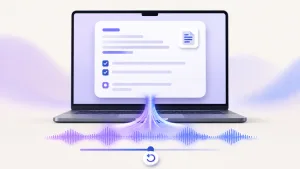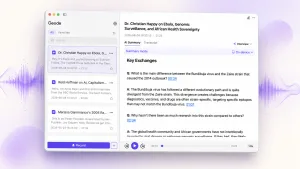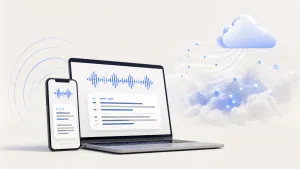
Language learning with transcripts improves progress because it turns unclear audio into something you can check, repeat, and remember. Many learners search for ways to improve their language learning curve because listening practice often feels slow and unpredictable. Geode helps by turning supported audio into transcripts, translations, and reviewable notes, so each listening session becomes easier to learn from.
This matters because most people do not fail at listening practice because they are lazy. They fail because they cannot tell what went wrong. Was it a new word? A fast accent? A contraction? A grammar pattern they have never seen? A transcript gives you the missing feedback.
What Is the Language Learning Curve?
The language learning curve is the uneven path from recognizing a few words to understanding real speech without translating every sentence. It is rarely smooth. You may feel progress one week, then suddenly feel lost when a speaker talks faster or uses slang.
That unevenness is normal. Listening comprehension especially grows through repeated exposure. You hear a phrase once and miss it. You see it in a transcript. You hear it again later. Eventually, it becomes familiar.
Why Listening Practice Often Feels Slow
Listening is hard because spoken language disappears. If you miss a word, you cannot stare at it the way you can with a book. You either replay the section or move on.
That is why many learners feel they are “practicing” but not improving. They listen to a lesson, podcast, or video, but the unclear parts remain unclear. Without text, it is difficult to separate useful mistakes from random noise.
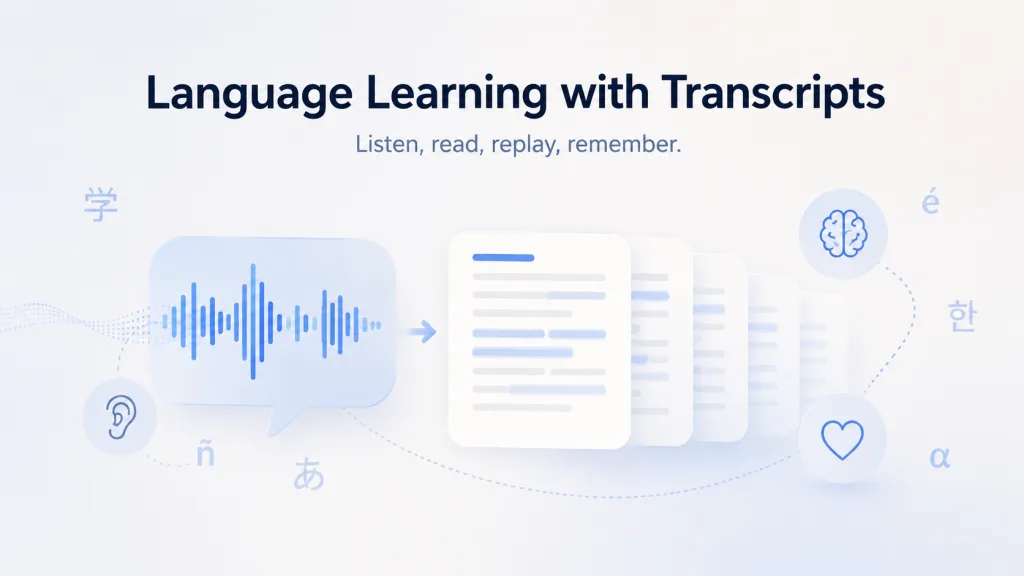
How Language Learning with Transcripts Speeds Up Review
Language learning with transcripts speeds up review by making audio visible. Once the words are on the page, you can slow down the lesson without losing the original speech.
You can search for a phrase, copy a sentence into your notes, check a translation, or replay one line several times. The material becomes reusable. That is the difference between listening once and studying something properly.
Geode is useful here because it helps learners create transcripts from supported audio they already use, including lessons, podcasts, videos, and conversations. The workflow stays simple: listen, transcribe, translate where needed, and replay.
Why Seeing and Hearing Together Helps Retention
When you see and hear a sentence together, your brain gets two anchors. The sound helps with pronunciation and rhythm. The text helps with spelling, word boundaries, and grammar.
This is especially helpful for languages where words blend together in natural speech. A sentence that sounded like one long blur can suddenly break into clear pieces once you see the transcript.
Over time, you start needing the transcript less. That is the goal. The transcript is not a crutch forever; it is a bridge between confusion and recognition.
How Geode Turns Audio into a Repeatable Study Workflow
A strong study workflow should be easy enough to use on a normal weekday. If it takes twenty minutes to prepare, most people will not keep doing it.
With Geode, the useful pattern is straightforward:
- Capture supported audio from a lesson, podcast, video, or conversation.
- Generate a transcript so you can see what was said.
- Use translation for lines that are still confusing.
- Replay the tricky parts while following the text.
- Save or export the transcript if it is worth reviewing later.
This is where Geode is different from a simple recorder. The value is not only having audio. The value is turning that audio into a study object you can return to.
Best Workflow: Listen First, Then Read, Translate, and Replay
A practical routine looks like this:
- Listen without text first. This trains your ear.
- Read the transcript. This shows you what you missed.
- Translate only the confusing lines. This keeps you from overusing translation.
- Replay the same audio. This reconnects sound with meaning.
- Review the best phrases later. This helps memory.
This workflow respects the learning curve. You are still practicing listening, but you are no longer guessing in the dark.
Conclusion
Language learning with transcripts is effective because it makes listening practice specific. Instead of saying “I did not understand,” you can see exactly which phrase caused the problem.
That is why Geode can fit naturally into a language learner’s routine. It helps turn real audio into text, translation, and replayable review material. For learners trying to improve listening comprehension, that feedback loop can make practice feel less random and more rewarding.
What is language learning with transcripts?
Language learning with transcripts means using written text alongside audio so you can confirm what you heard, review difficult lines, and improve listening comprehension.
Do transcripts improve the language learning curve?
Yes. Transcripts can improve the language learning curve by making unclear audio easier to review, repeat, and connect with meaning.
How can I improve listening comprehension faster?
You can improve listening comprehension faster by listening first, reading the transcript, translating hard lines, and replaying the same section until it feels clear.
Can Geode help me review language audio?
Yes. Geode can help review language audio by turning supported recordings, lessons, podcasts, and videos into transcripts you can translate and replay.
What is the best workflow for language learning with transcripts?
The best workflow is listen, read, translate only when needed, and replay. This keeps listening active while using transcripts for support.